< Back to all entries & Profiles
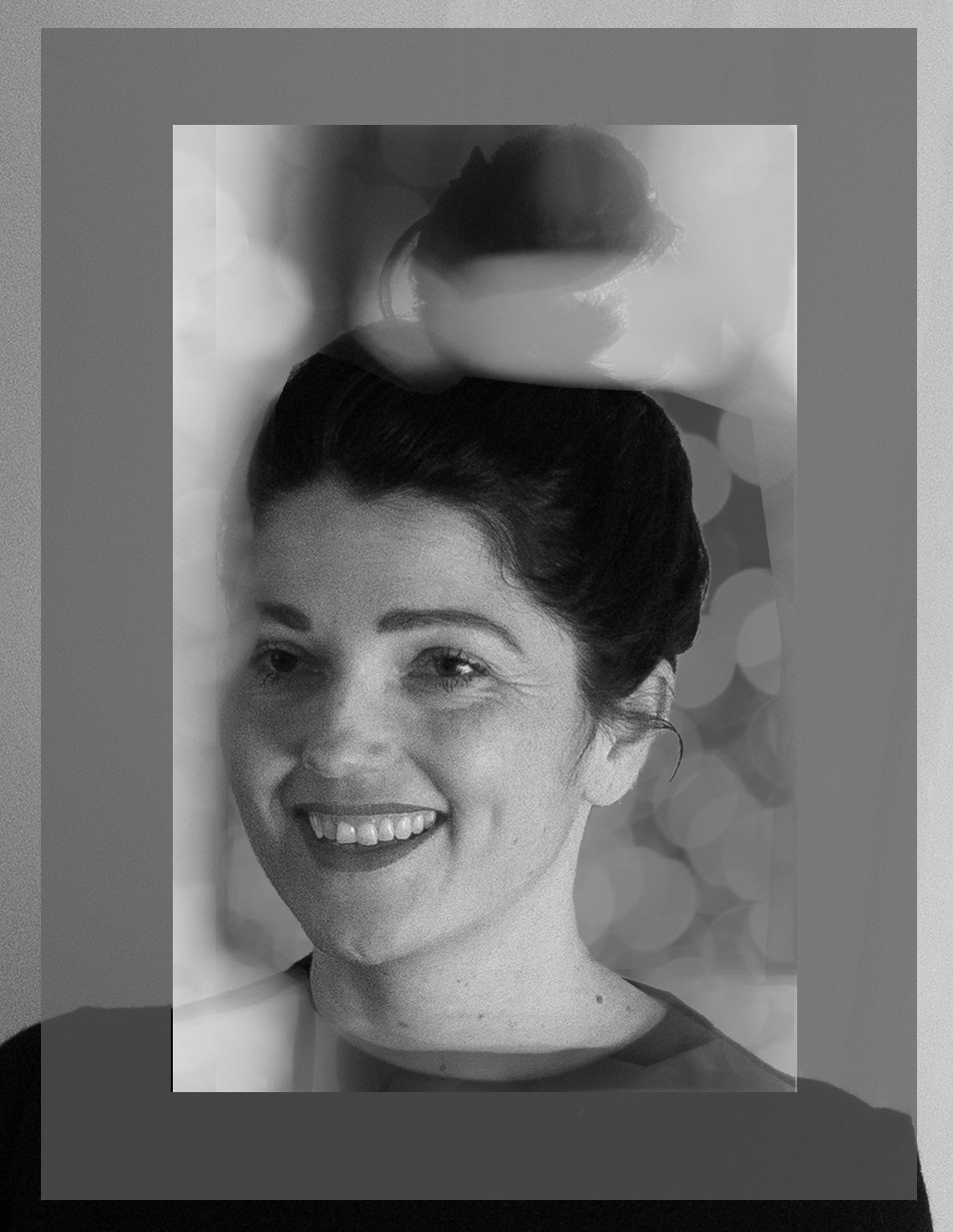
User Anne Julia profile image

Anne Julia Ländle

Kontsfack University of Art, Craft and Design

I am an industrial designer and certified master florist, currently pursuing my Master’s in Design Ecologies at Konstfack. My work bridges the gap between raw, hands-on craftsmanship and high-tech industrial manufacturing, with a strict focus on circularity and material honesty. Driven by a passion for ecology and sustainable materials, I explore how local bio-waste can be transformed into refined, modernist furniture. I aim to challenge synthetic production by creating thoughtful, tactile objects that foster a deep emotional connection to our living spaces.

MOWN - A Terrazzo Study in Strict Geometry and Wild Biomass

Category: Furniture

Competitions: Home Competition 2026

What Difference Can a Chair Make? How can a piece of furniture promote biodiversity for endangered insects? By utilizing wild plants from roadsides and industrial CNC waste, this lounge chair demonstrates that industrial design can actively drive a sustainable transformation. Sustainable design is often associated with soft, organic shapes meant to signal "eco-friendliness." This chair does the exact opposite: it places wild nature into a strict, geometric form to prove that biomaterials belong in modern, rigorous furniture architecture. The Ecological Problem and Innovation The base of the chair is constructed from a self-developed biomaterial made from wild roadside flowers and hay. Today, roadsides and field edges are the last sanctuary for insects as commercial agriculture eradicates their natural habitats. However, these areas require regular mowing. The problem is that the plant waste is often left behind, leading to eutrophication (over-nutrification) which destroys the insects' final living spaces. By harvesting the waste from this necessary maintenance, the chair becomes a tangible collaboration between humans and insects, on the insects' terms, and with empathy for all living things. The plant biomass is cast together with wood waste collected from CNC routers, natural pigments, and a binder made from milk protein (casein). Casein is a time-tested, natural adhesive that has been used traditionally to glue wood for thousands of years, long before the invention of synthetic resins. This results in a unique "flora terrazzo" where flower petals and stems remain visible as beautiful fragments, eliminating the need for modern synthetic plastics or laminates. Form, Geometry, and Contrast The design language is built on pure contrast within a strict geometric system. A sculptural, light gray seat is precisely joined with two solid, rectangular blocks of the self-developed biomaterial. The sculptural seat meets the two blocks of the base with a perfect fit, engineered without any gaps. The light gray color of the seat was deliberately chosen to create an illusion that it hovers above the massive blocks. The proportions of the chair are deeply linked through a mathematical system: the distance between the legs equals the height of the seat, and the radii are reused inversely. This creates visual balance and an unexpected lightness within the heavy, solid volume. To complete the organic contrast, a tailored, transparent tulle cushion filled with pure hay rests on the seat. The tulle was chosen deliberately for its transparency, acting as a visual window that reveals the raw biomass inside, making the ecological cycle fully visible instead of hiding it behind traditional upholstery.

Green Edge

Category: Furniture

Competitions: Home Competition 2025

Green Edge – A New Material for the Furniture of Tomorrow Graduation project by Anne Julia Ländle – Only Natural Home Competition 2025 In my graduation project, I have developed Green Edge – an entirely new, innovative, and biodegradable material made from two often overlooked resources: grass clippings from ecologically valuable roadside areas and wood waste from CNC milling. The result is a piece of furniture that not only tells the story of the material’s origins but also reveals its potential to shape a more sustainable future. Material Composition 40% Hay and Wildflowers from Roadsides The grass is harvested from roadside environments around Stockholm – habitats that are often forgotten but essential to many endangered plant and animal species. When grass clippings are left behind after mowing, it leads to soil over-enrichment, which favors nutrient-demanding species at the expense of biodiversity. By collecting and refining this material, it is given new life while simultaneously supporting conservation efforts. 60% Wood Waste from CNC Milling The wood used is otherwise discarded offcuts – a byproduct of digital fabrication. By repurposing it, a tangible connection is formed between technical precision and natural texture, turning waste into valuable resource within a circular process. Natural Casein Binder The binder consists of casein – a milk protein that provides strength and water resistance after curing. It is non-toxic, natural, and fully biodegradable. A Circular and Biodegradable Material Green Edge is developed with future resource management in mind. The material is not only 100% biodegradable but also circular – it can be ground down, reshaped, and repressed into new forms without losing its aesthetic or structural properties. In this way, Green Edge can participate in a continuous loop of use and reuse, leaving behind no waste. Design Concept: A Cabinet with a Story The piece is inspired by the traditional herbarium cabinet – a type of furniture historically used to preserve and showcase plant specimens. In a similar manner, this cabinet highlights the botanical origins of the Green Edge material. A glass top allows natural daylight to enter, creating a dynamic interplay between the colours, textures, and light within. The softly rounded forms are a deliberate aesthetic choice, challenging the often restrained visual language of sustainable design. This piece is allowed to stand out – both physically and visually – as a statement of transformation and material storytelling. An Application with Purpose The cabinet serves as a material communicator – a test object that puts Green Edge to the test in everyday environments. Exposure to light, touch, temperature shifts, and humidity provides a realistic and meaningful context to explore the material’s durability, functionality, and aesthetic potential. Green Edge demonstrates how local, natural materials can become functional, beautiful, and biodegradable interior objects – and how sustainable design can also be bold, narrative, and visually expressive.

Working with our partners at Arts Thread to develop lifelong learning and career opportunities for students of fashion and design. Our partnership provides the opportunity to compete on a world stage, participate in industry led workshops, set up an outstanding portfolio and gain access to the resources that will kickstart careers in fashion and design.