Circular Design Cement
Category: Furniture
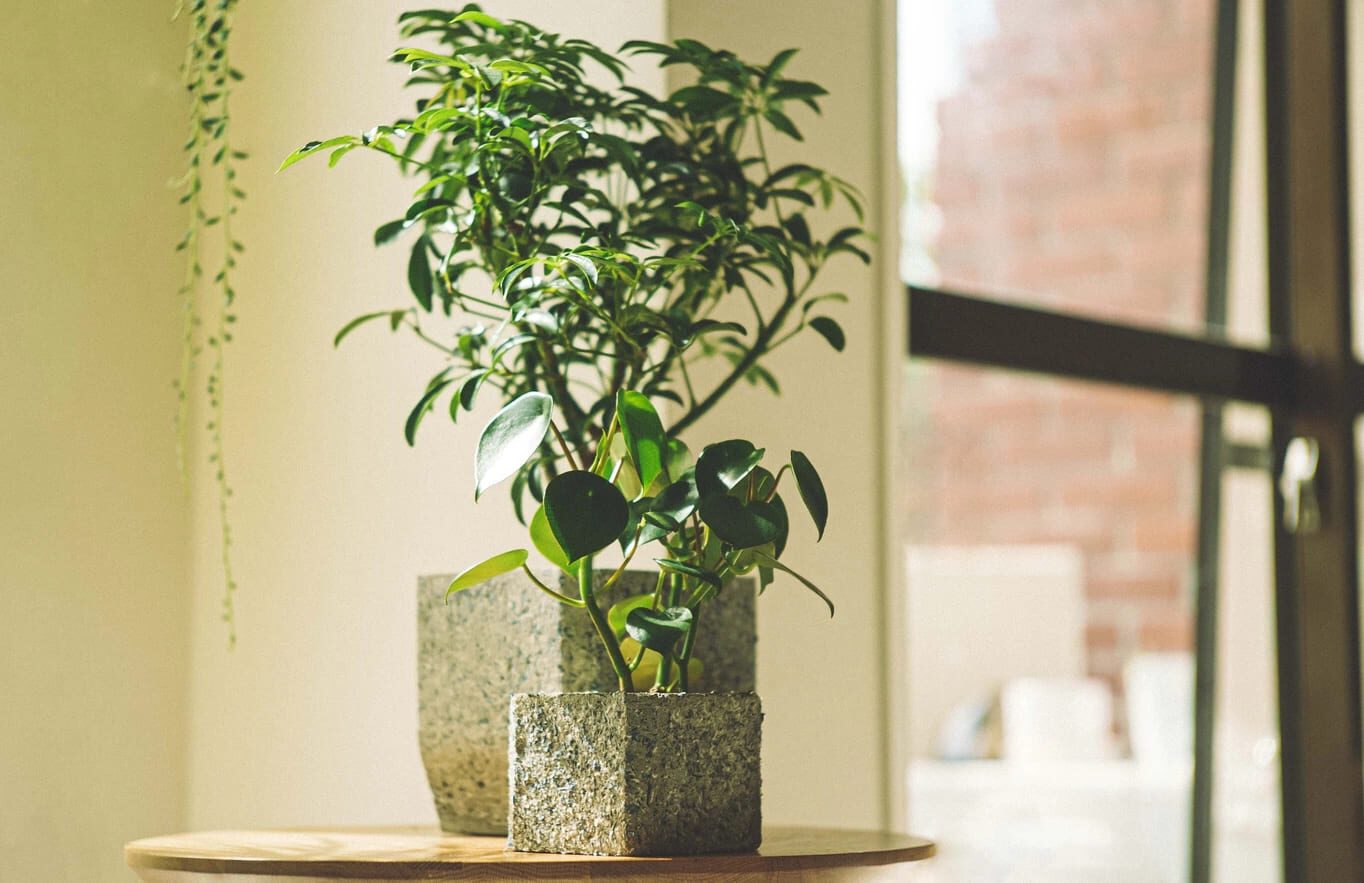
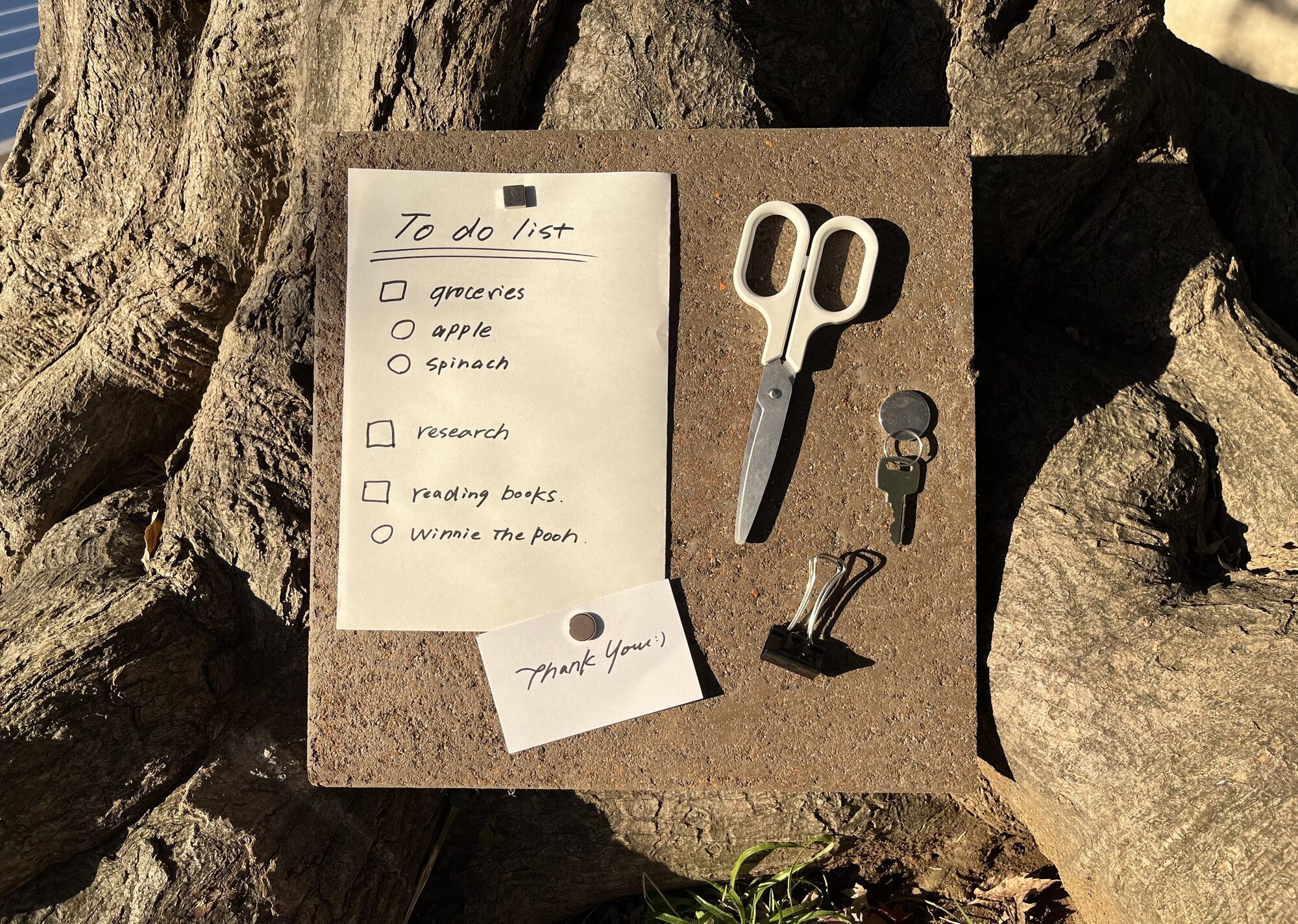
Circular Design Cement is a forward-looking initiative that aims to develop and mass-produce building materials with zero greenhouse gas (GHG) emissions, addressing long-standing issues inherent to concrete—such as gravel depletion, limited design adaptability, and high environmental costs.At the core of the project is a step-by-step innovation in fiber-reinforced cement boards. Unlike traditional concrete materials, we first developed a thin yet strong fiber cement board using polyvinyl alcohol (PVA) fibers, enabling reduced thickness without compromising strength. We then replaced a portion of the cement with granulated blast furnace slag, creating a carbon-free version that significantly lowers CO₂ emissions. Building on this, we developed a net-zero fiber cement board by incorporating calcium carbonate, which allows the board to absorb CO₂ over its lifetime, further enhancing its environmental performance.To explore implementation in real-world applications, we also created a prototype reinforced concrete flower pot, serving as a symbolic and functional step toward architectural use. This design pays homage to Joseph Monnier, a 19th-century French gardener and pioneer of open innovation in construction. Over 160 years ago, Joseph Monier designed and patented reinforced cement flower pots using metal mesh—a breakthrough that laid the foundation for modern reinforced concrete structures, including facade panels and piping systems.In addition to its technical evolution, The Cement Project proposes a circular design framework that considers the different needs and values in Europe and Japan. In Europe, increasing pressure to reduce GHG emissions has led to a growing interest in thinner, more efficient materials. PVA fibers, with their high durability and water resistance, support the development of lightweight, high-performance boards that reduce Scope 1 and Scope 2 emissions. In contrast, the Japanese market currently favors thicker cement boards with deep embossing and high-performance coatings for aesthetic and functional purposes. However, these features contribute to increased material consumption and higher environmental impact.Our project envisions a new design paradigm—one in which uncoated, thinner cement boards that express the raw texture of cement and fiber become a sustainable and aesthetic alternative. These materials not only reduce environmental load but also introduce a new architectural language rooted in material honesty, efficiency, and circularity.Through this combination of material innovation, historical insight, and future-oriented design, The Cement Project offers a hopeful vision: that concrete, often regarded as environmentally problematic, can evolve into a sustainable, expressive, and enduring building material for generations to come.
 Copy URL
 Login to Like 0