Pretty Toxic
Category: Interior
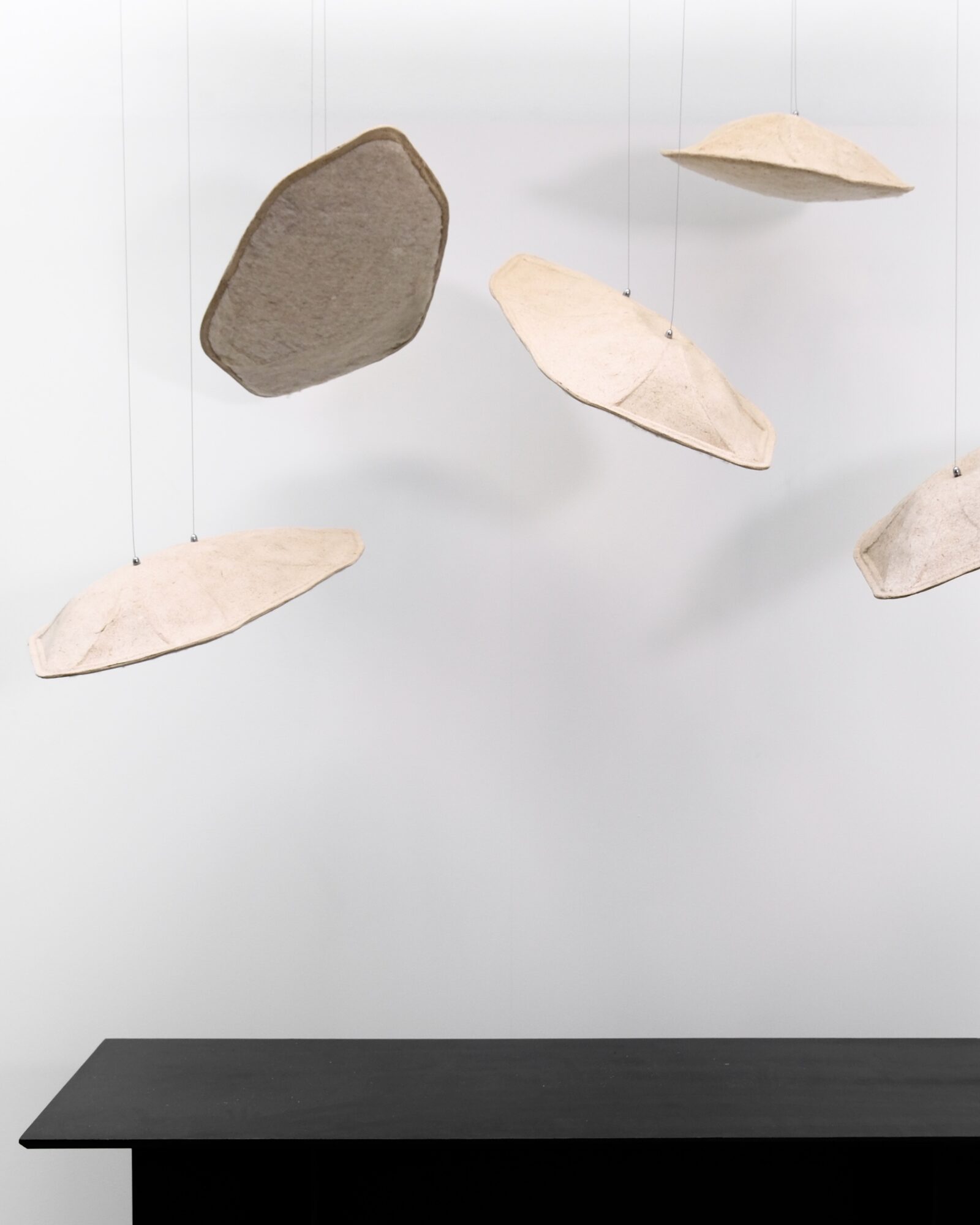
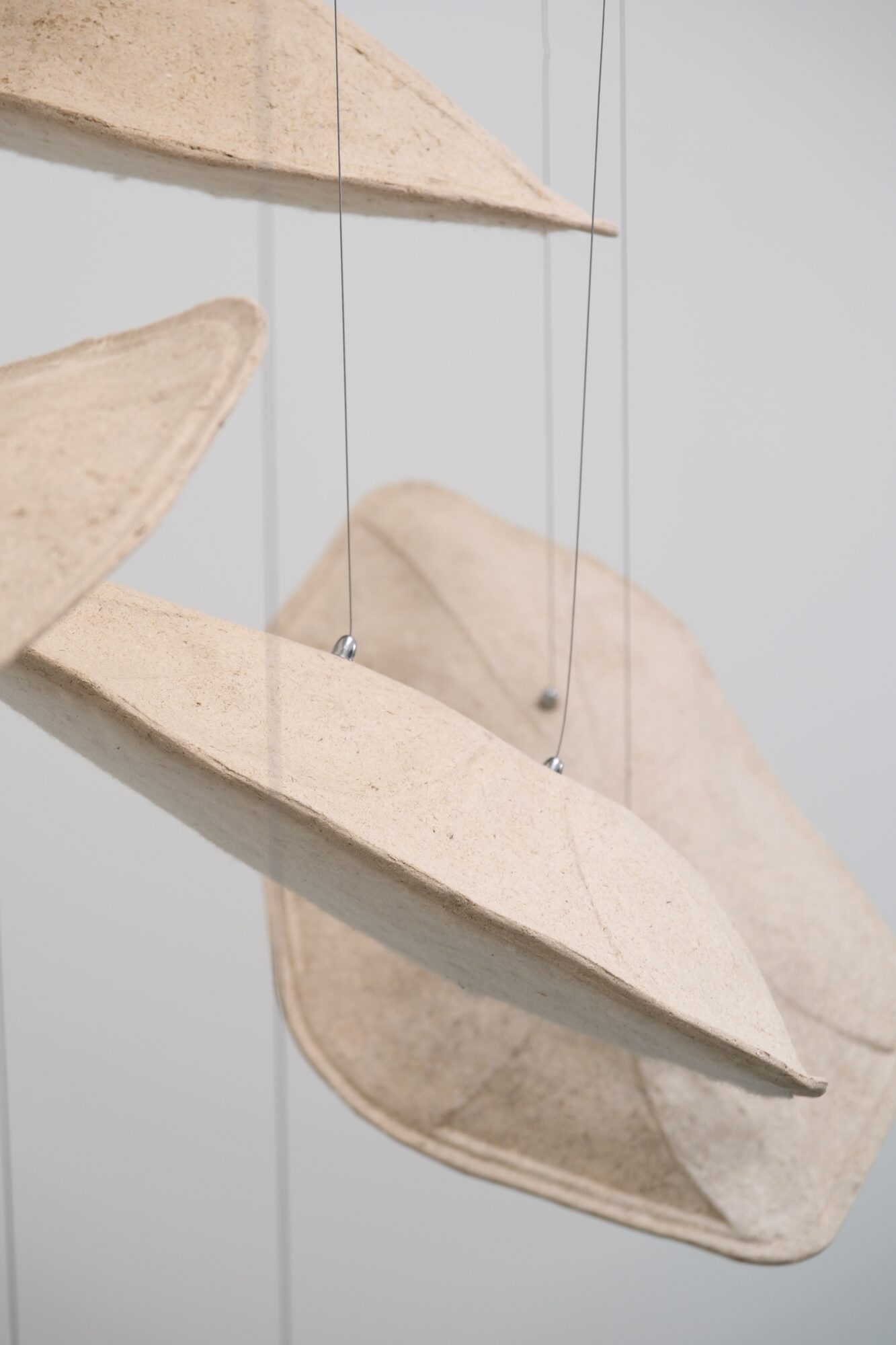
Pretty Toxic explores the matter of invasive alien species and their potential as material resources. The Giant hogweed is a toxic plant recognised as one of the most aggressive invasive alien species of Union concern, spreading across Europe and threatening native ecosystems and human health. As a result, it is treated as an unwanted plant requiring costly, controlled removal, generating large amounts of biomass each year. This project reframes hogweed from waste into a non-wood pulp resource with ecological and economic potential to reduce the environmental pressures associated with the cellulose industry. By working specifically with the cellulose-rich stems of Giant hogweed, the project explores how invasive species management and material production can become interconnected systems. Within this framework, the project proposes an alternative narrative of the species by transforming this discarded biomass into a collection of contemporary tiling. The collection Pretty Toxic presents two shapes of monohedral tiles made from hogweed pulp and wool, designed to integrate into varied interior contexts. The combination of these materials brings together two underutilised natural fibres whose fibrous structures contribute to reducing contemporary architectural challenges such as air pollution, overheating, noise, odour, and moisture accumulation in urban environments. Based on their inherent material properties and design, the modules function as responsive elements that transform walls and ceilings into active surfaces, naturally absorbing sound, regulating moisture, and capturing airborne pollutants such as particles and formaldehyde. Arranged in repeating patterns, the modular tiles enhance their spatial impact and mimic the natural spread of the invasive species. By reintroducing invasive species into material cycles, this work connects environmental protection and design, responding to the ecological and economic burden created by the uncontrolled spread and management of giant hogweed. It proposes a new relationship between ecology, material resources, and the built environment, demonstrating the value of unused materials while addressing human needs within a circular system. The circular material and design concept emphasises the continuous reuse of biological waste streams, ensuring that materials remain in circulation rather than becoming disposable waste.
 Copy URL
 Login to Like 1