The fashion industry is searching for solutions to one of its greatest challenges: how do we move away from our dependence on synthetic, fossil fuel-derived materials without compromising performance, durability or design?
Some argue that the answer already exists in the natural fibres we have relied on for centuries. Others believe innovation is essential, developing entirely new materials that can replicate the performance of synthetics while reducing their environmental impact.
Few companies embody this debate more clearly than PANGAIA.
Since launching in 2019, the B Corp-certified brand has blurred the lines between fashion label and materials science company, building its collections around bio-based, regenerative, recycled and responsibly sourced materials. Rather than simply marketing sustainable clothing, PANGAIA has invested heavily in developing and commercialising new material technologies designed to challenge conventional fibres.
Its approach raises an interesting question: is the future of sustainable fashion about rediscovering traditional natural materials, inventing entirely new ones or finding the right balance between both?
PANGAIA’s core materials
FRUTFIBER™
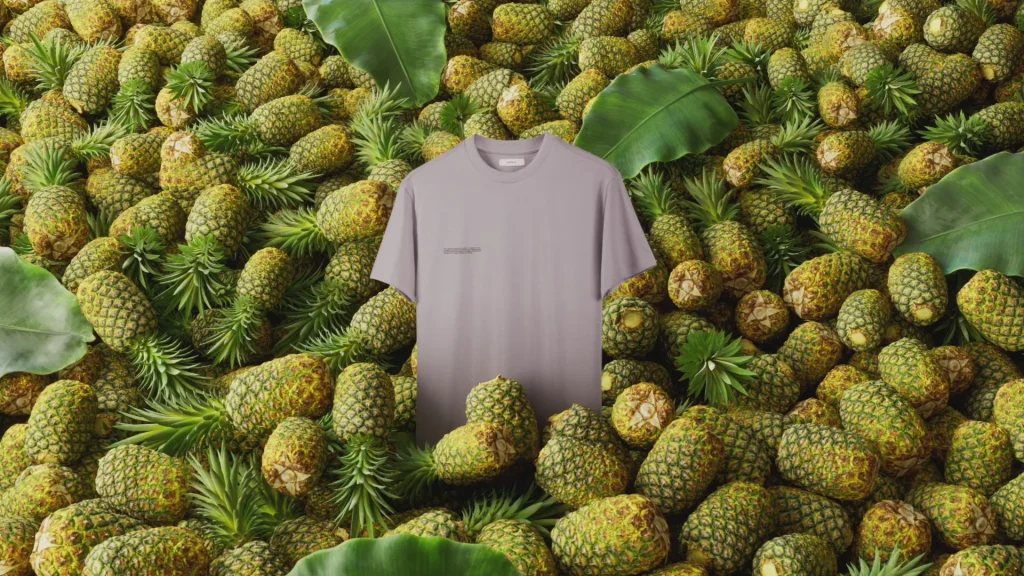
FRUTFIBER™ sits at the heart of PANGAIA’s material catalogue. It repurposes food waste by transforming banana and pineapple leaf fibres, alongside bamboo, into an innovative fabric that feels and drapes like cotton without using cotton at all.
Bamboo is a fast-growing, non-food crop that can be cultivated without pesticides, fertilisers or significant additional irrigation. PANGAIA’s bamboo lyocell is created through a closed-loop production process that recovers and reuses solvents while reducing water and energy consumption. Natural fibres taken from pineapple and banana leaves are also incorporated. These are by-products of the food industry that might otherwise be burned or sent to landfill.
With its combination of pineapple and banana leaf fibres, FRUTFIBER™ provides an alternative to conventional cotton production, which can require significant amounts of water, pesticides and fertilisers.
This biodegradable material demonstrates how agricultural waste streams can be used to create lower-impact textiles while reducing reliance on resource-intensive crops.
(gaia)PLNT Nylon
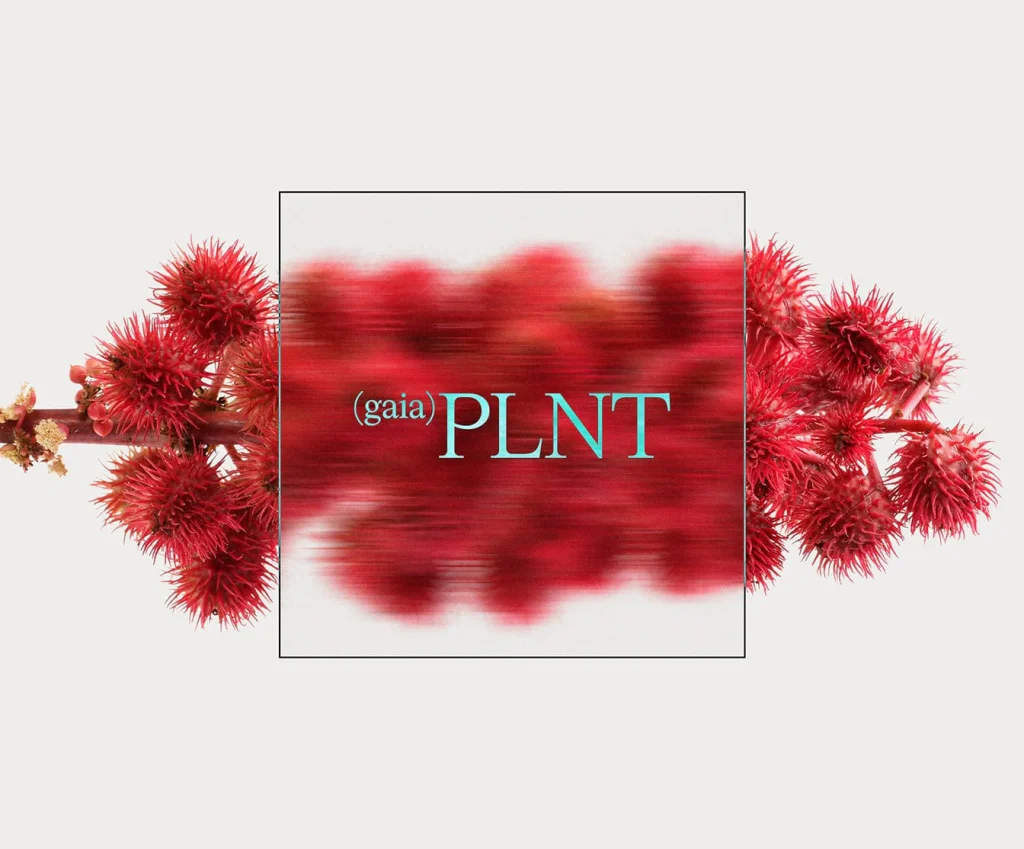
Like FRUTFIBER™, (gaia)PLNT Nylon is designed to provide a plant-based alternative to petroleum-derived synthetics. The material is built around Evo, a 100% bio-based nylon developed with Italian mill Fulgar and made from castor bean oilseed.
Castor plants are a resilient, non-GMO crop that can thrive on dry, marginal land with minimal water – and don’t compete with food crops for growing space.
PANGAIA transforms castor oil-derived monomers into a high-performance polyamide that behaves like conventional nylon in strength and versatility, while reducing reliance on fossil fuel-derived feedstocks. According to an ISO-certified life cycle assessment, the material offers a meaningful reduction in carbon emissions compared with conventional polyamide.
European Flax™
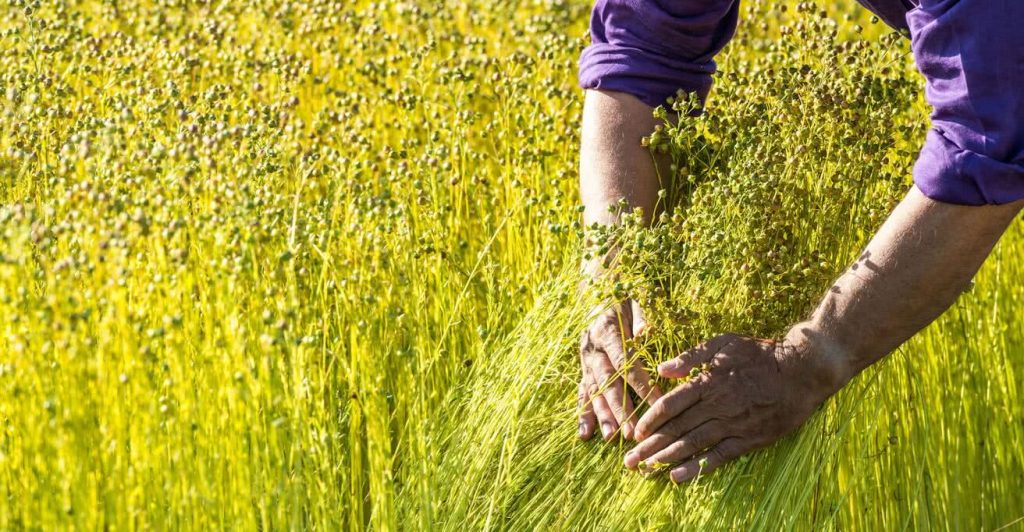
PANGAIA also uses European Flax™ linen, cultivated in France, Belgium and the Netherlands – regions known for their long-standing expertise in flax growing.
The cool, temperate climate supports the production of strong, fine fibres with a smooth feel and natural durability. Flax is typically rain-fed and grown within certified supply chains that follow defined environmental and social standards, offering traceability from cultivation through to the finished linen product.
AeoniQ™
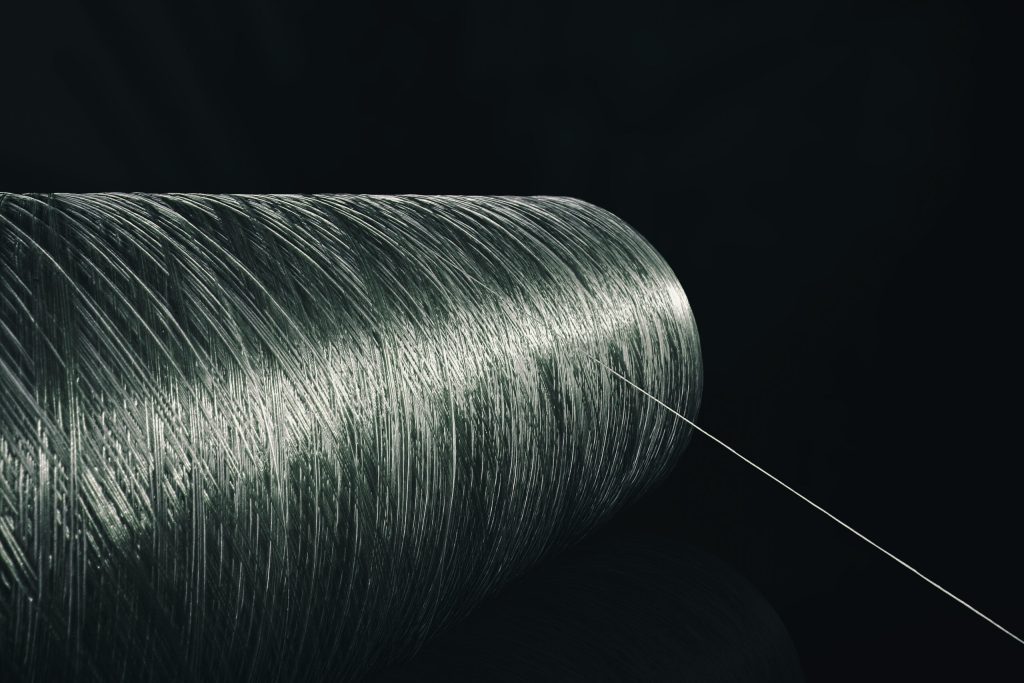
PANGAIA has also released a limited-edition, 55-piece unisex capsule using AeoniQ™, a continuous cellulose filament yarn designed to replicate some of the properties of polyester and nylon while remaining recyclable and biodegradable.
Each year, an estimated 92 million tonnes of textile waste are generated globally, much of it synthetic and non-biodegradable. This figure is projected to rise to 134 million tonnes by 2030.
In a soil biodegradation experiment, AeoniQ™ was tested alongside four other fabrics over three months. Microorganisms began colonising the materials within the first two weeks, with biodegradation visible on AeoniQ™ after one month. After two and a half months, the fabric had biodegraded by more than 90% and, by the end of the third month, it had fully disappeared. Polyester, polyamide and elastane mesh showed no comparable degradation during the same period.
AeoniQ™ can be made using raw materials including wood pulp, textile waste, bacterial cellulose and non-valorised agricultural waste. According to its developers, each tonne of the material could enable a reduction of 3.2 tonnes of CO2 emissions.
Designed to deliver performance comparable with synthetic fibres, AeoniQ™ does not require agricultural land, pesticides or fertilisers for its production. Its biodegradability also offers a potential route towards more circular end-of-life systems.
Algae Ink™
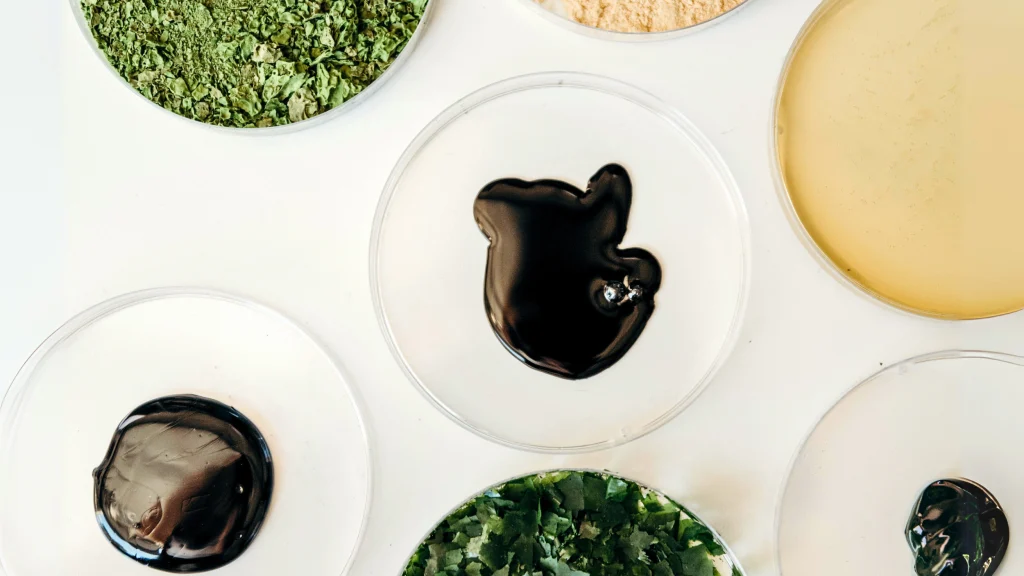
PANGAIA’s focus on material innovation extends beyond the clothes themselves. The brand uses Algae Ink™, a bio-based alternative to traditional pigments, on its garment hangtags.
Developed by Living Ink Technologies, the ink combines a soy-based carrier with Algae Black™ pigment, which is produced using waste algae biomass. This offers a renewable alternative to conventional petroleum-derived carbon black pigments.
According to a Life Cycle Assessment completed in January 2023, Algae Black™ can significantly reduce carbon emissions and water use when compared with conventional carbon black pigment.
What innovation confirms
PANGAIA demonstrates just how quickly material innovation is evolving. From fibres created using agricultural by-products to biodegradable alternatives to synthetic textiles, the brand continues to push the boundaries of what fashion can be made from.
Yet look closely at what these innovations are actually built from. FRUTFIBER™ starts with bamboo, pineapple and banana leaf. (gaia)PLNT Nylon from castor bean. AeoniQ™ from wood pulp and agricultural waste. Algae Ink™from algae biomass. Even the industry’s most heavily-funded materials science lab, with access to global mills and years of R&D, keeps arriving at the same starting point: nature.
That’s a telling signal. It suggests the real debate isn’t “natural fibres versus new materials” – it’s about how directly we choose to work with what nature already provides. PANGAIA’s approach requires proprietary processing, specialist mills and complex supply chains to turn plant matter into something that behaves like a synthetic. Wool, hemp, leather, wood and flax achieve many of the same goals – durability, biodegradability, low environmental impact – without that additional layer of engineering.
For the next generation of designers, that distinction matters. Proven natural fibres are available now, at scale, without waiting for a lab to perfect a new supply chain. They remain the most direct, accessible route for emerging talent to build a genuinely sustainable practice from day one.
Innovation and tradition aren’t in competition here. They’re pointing at the same answer, by different routes. Whether fashion gets there through material science or through a renewed commitment to the fibres nature already provides, the destination is the same: away from fossil fuel-derived synthetics and towards materials that work with the planet, not against it.
