Across the fashion capitals this season, a quieter but significant thread ran through the AW26 collections. From New York to Paris, several designers stood out by turning towards natural materials, craft-led techniques and inspiration drawn directly from the natural world.
While the approaches varied – from sculptural knitwear, botanical storytelling and experimental textile systems – these collections reflect a growing movement within fashion: one that values thoughtful sourcing, longevity and the ever-green potential of natural fibres.
Copenhagen Fashion Week: January 27-30, 2026
STEM: Reimagining garments through zero-waste weaving
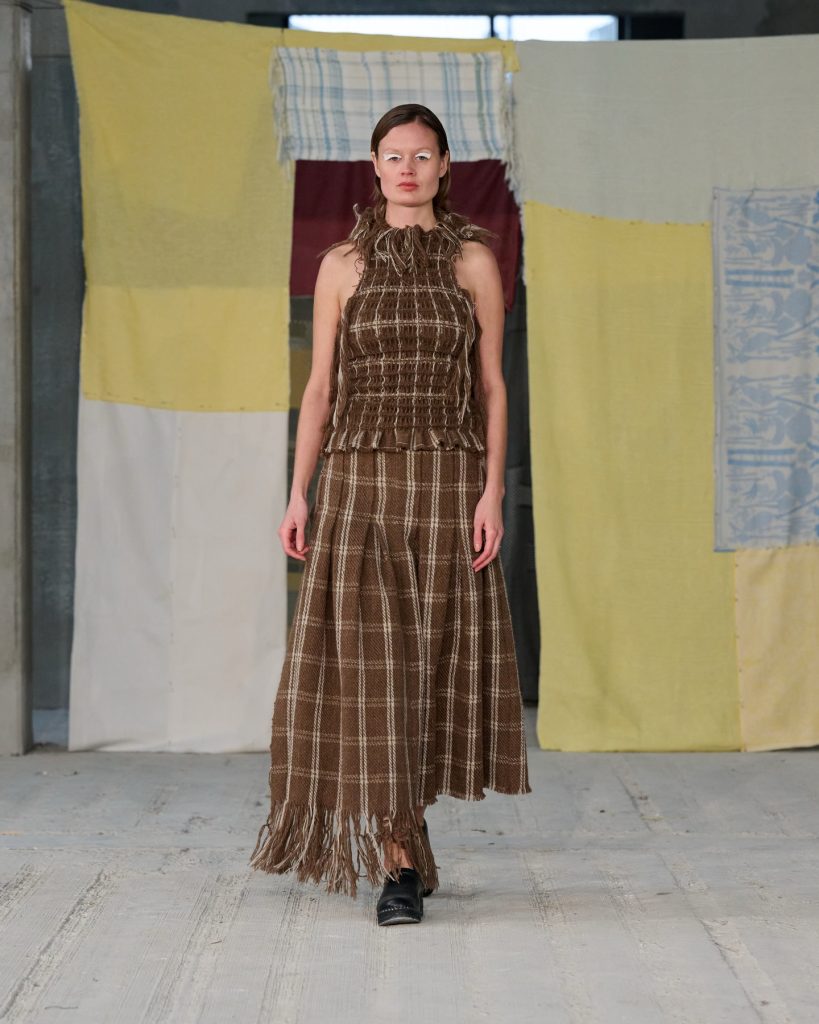
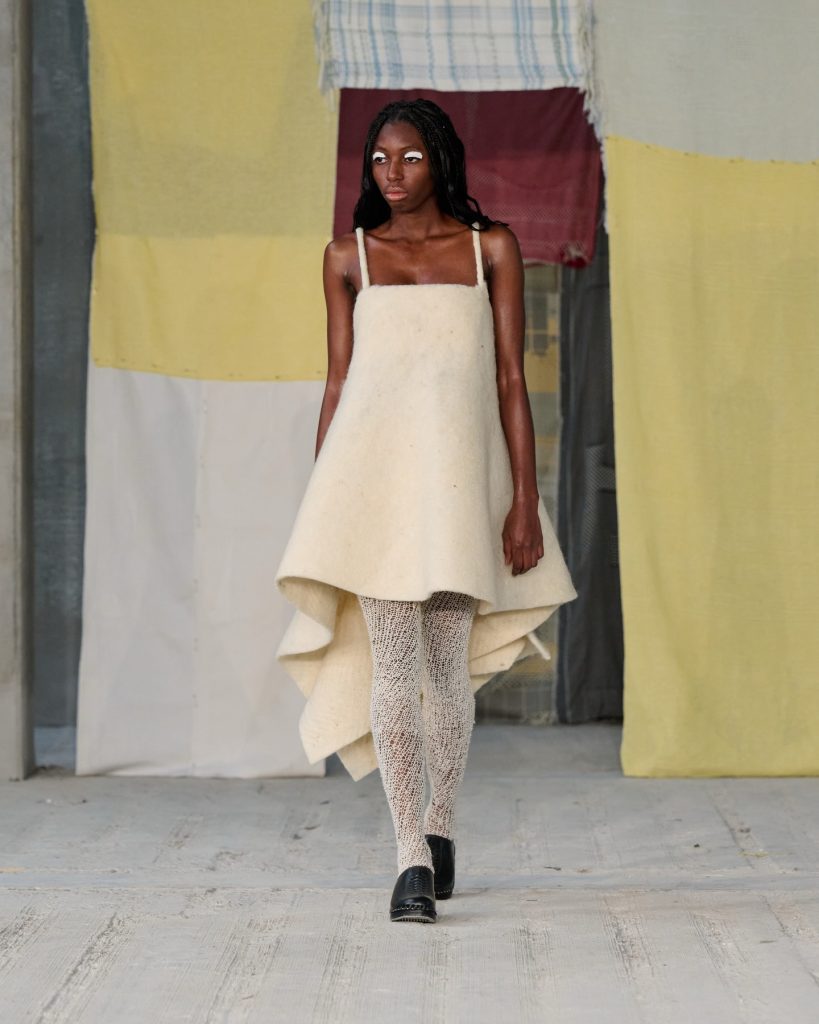
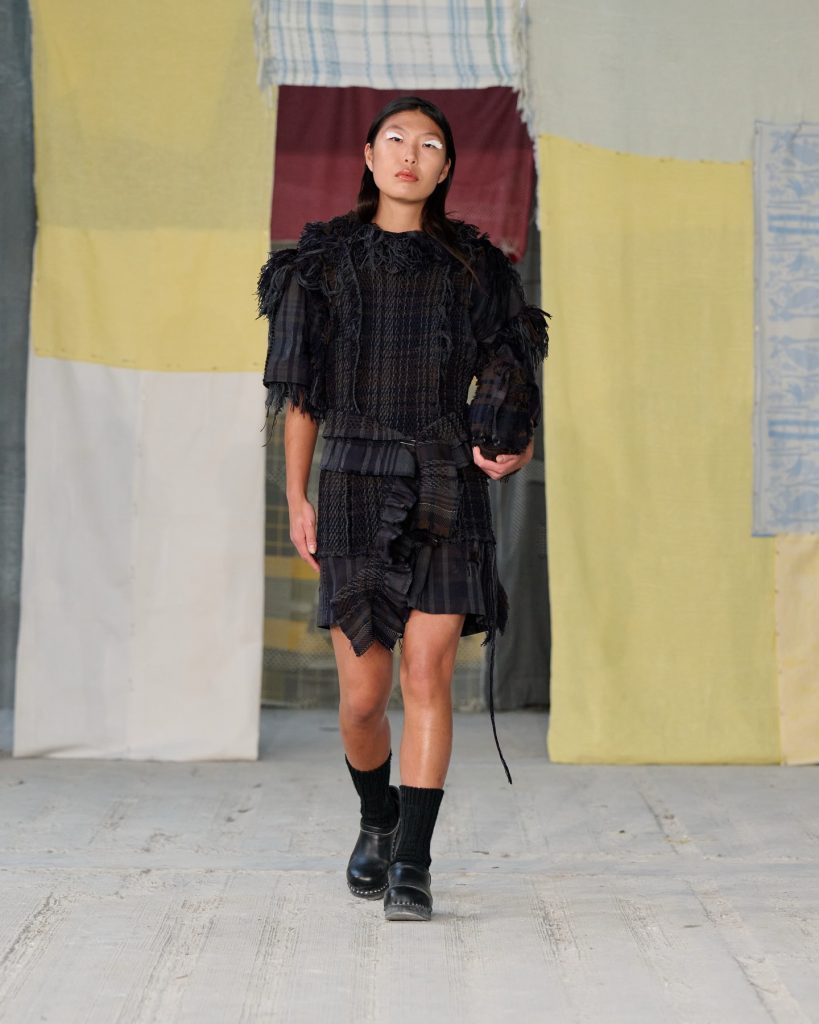
At Copenhagen Fashion Week, STEM stood out for its radical rethink of how garments are made. Founded by textile designer Sarah Brunnhuber in 2021, the Copenhagen-based label explores how clothing can be woven, cut and constructed in ways that eliminate waste.
At the heart of STEM is a zero-waste woven textile system. Rather than producing fabric and cutting it into shape, Brunnhuber’s process integrates weaving, cutting and assembly into a single design method, ensuring garments generate no production waste. Each piece is created from recycled natural fibres and produced in limited quantities through a pre-order model that challenges the industry’s culture of overproduction.
STEM garments are often presented alongside the textiles they are woven from, allowing wearers to understand the craft and processes behind each piece. The approach encourages a slower relationship with clothing – one that values longevity, knowledge and care.
Guided by the principle “produce better, produce less – buy better, buy less”, STEM offers a compelling example of how design innovation can challenge fashion’s existing systems.
New York Fashion Week: February 11-16, 2026
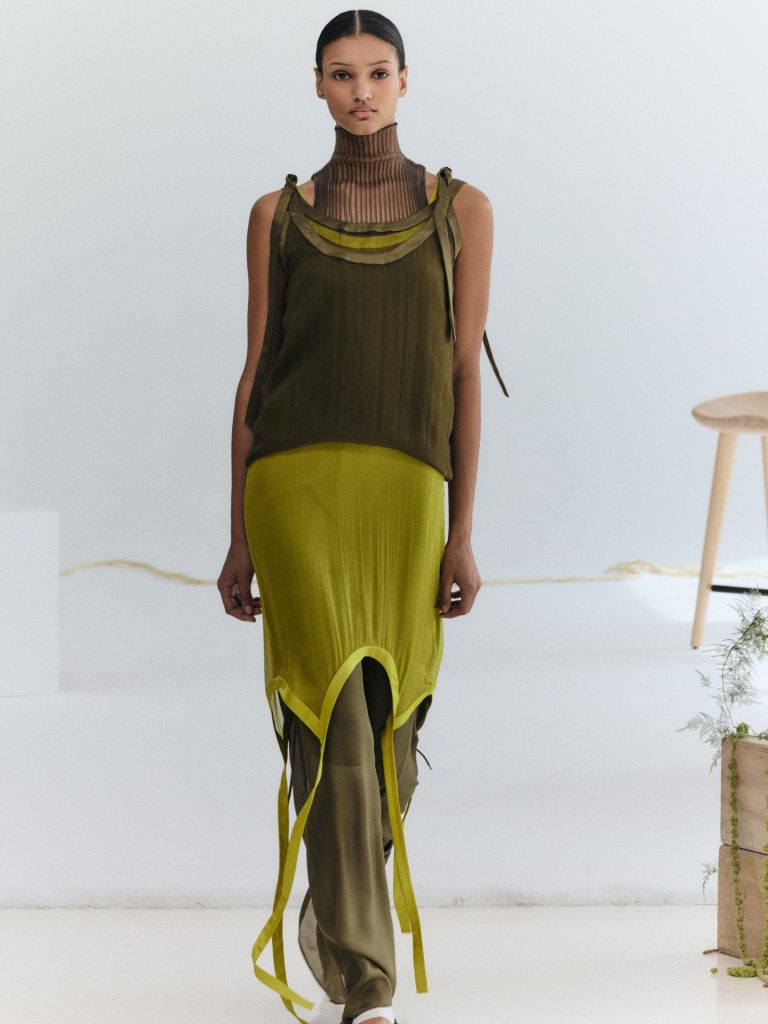
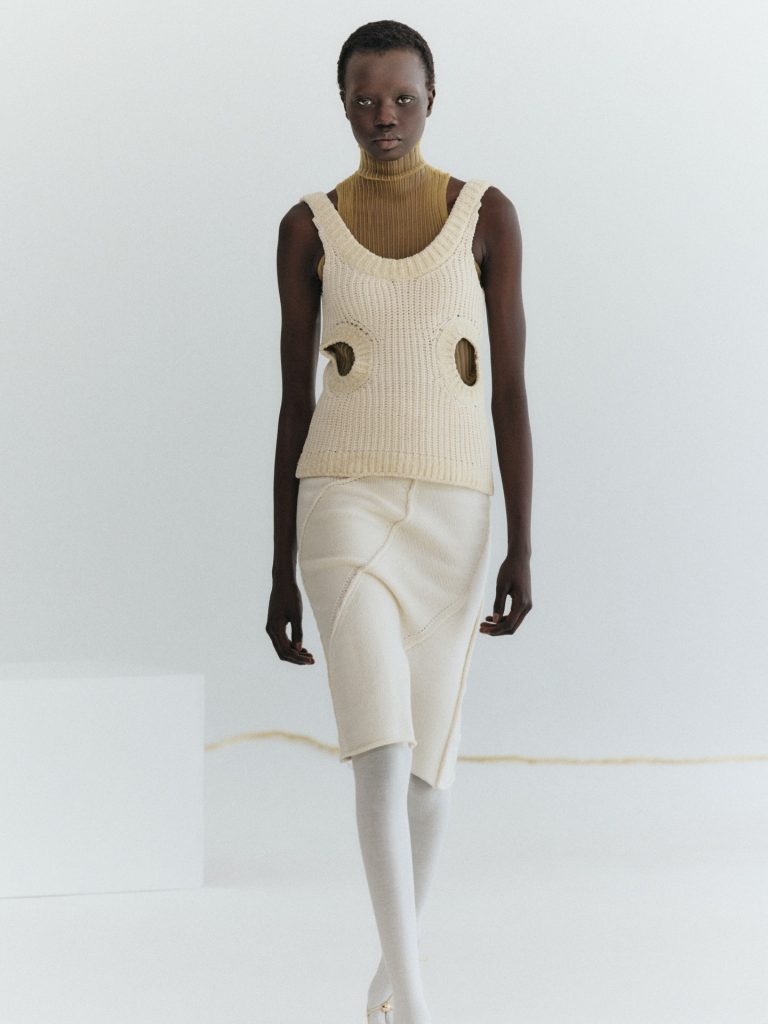
Aisling Camps: Nature woven into knitwear
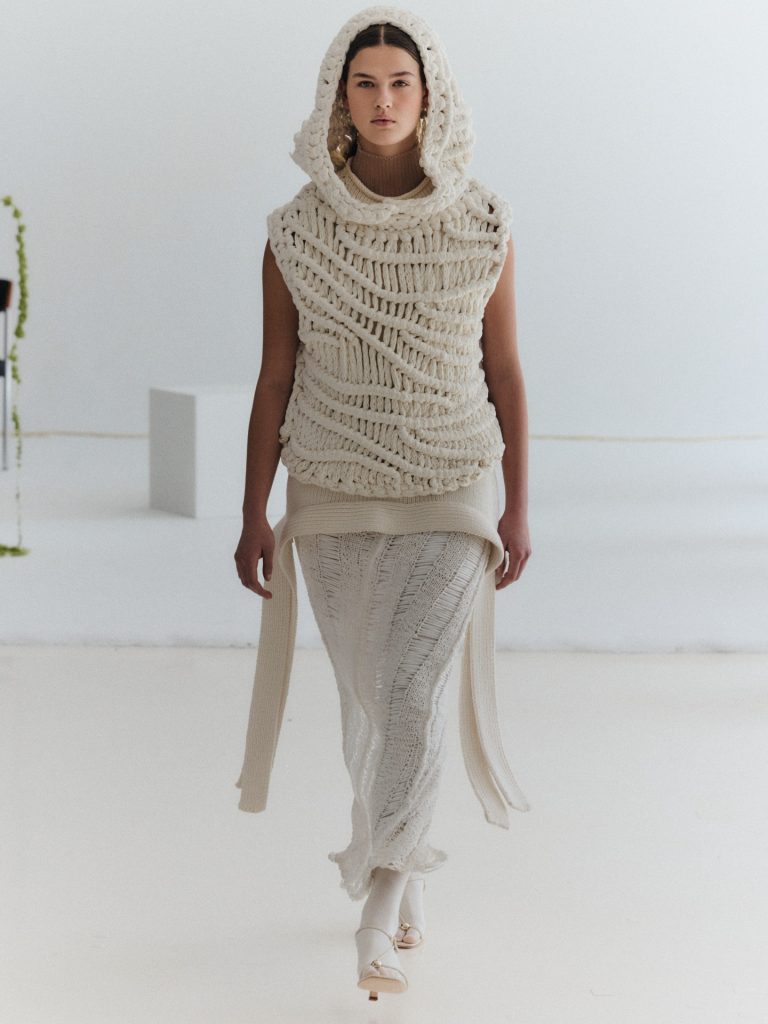
In New York, knitwear designer Aisling Camps returned to the fashion week calendar with a collection grounded in nature, craft and material exploration. Presented in a sunlit white studio, the AW26 collection unfolded as a quiet study of texture and form.
A palette of earthy tones – sandy whites, petal greens, stone blacks and soft greys – echoed natural landscapes. Camps pushed beyond conventional knitwear boundaries through an interplay of techniques, layering tight ribbing, open crochet structures and sheer knits to create depth and movement. These contrasting textures reflected the interlacing found in organic forms, where structure and softness coexist.
Material exploration was equally central. Alongside cashmere and silk yarns, Camps introduced woven fabrics for the first time, expanding the possibilities of her knit-focused practice while maintaining a tactile, natural sensibility.
The Trinidadian-born designer works from her Brooklyn studio, where pieces are either handmade by a small local team or produced in collaboration with a family-run Italian factory renowned for its fully fashioned knitwear, a craft refined across three generations.
London Fashion Week: February 19-23, 2026
Phoebe English: A botanical narrative in natural fibres
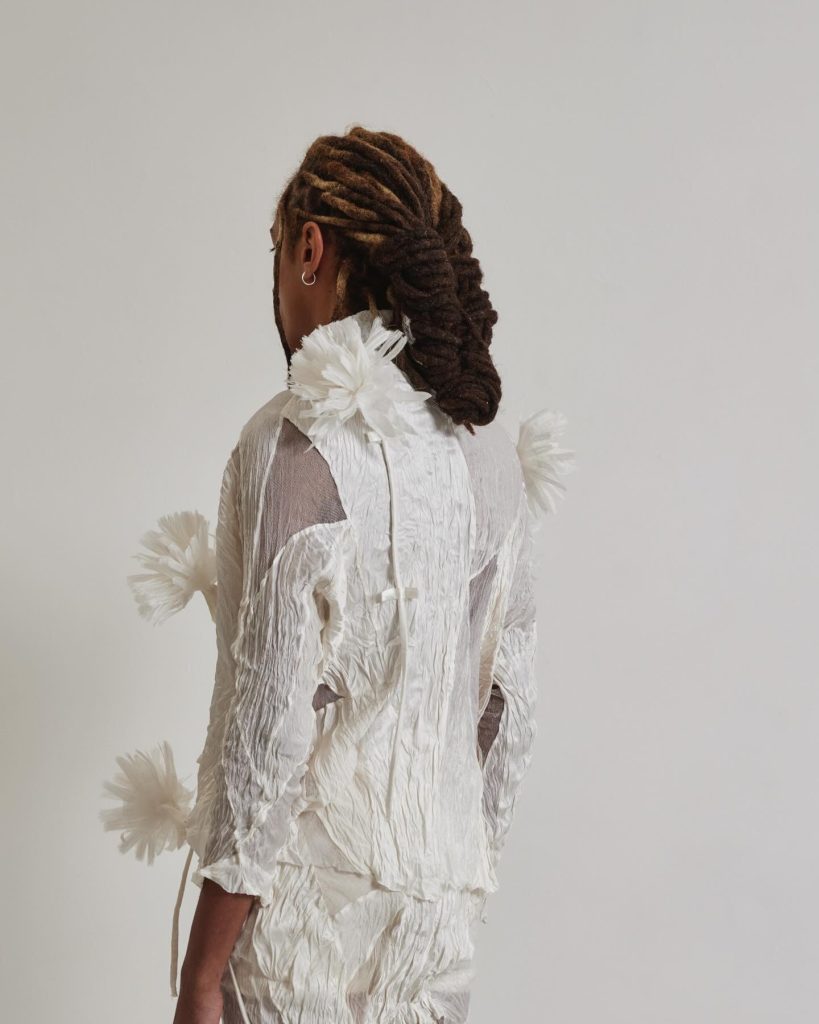
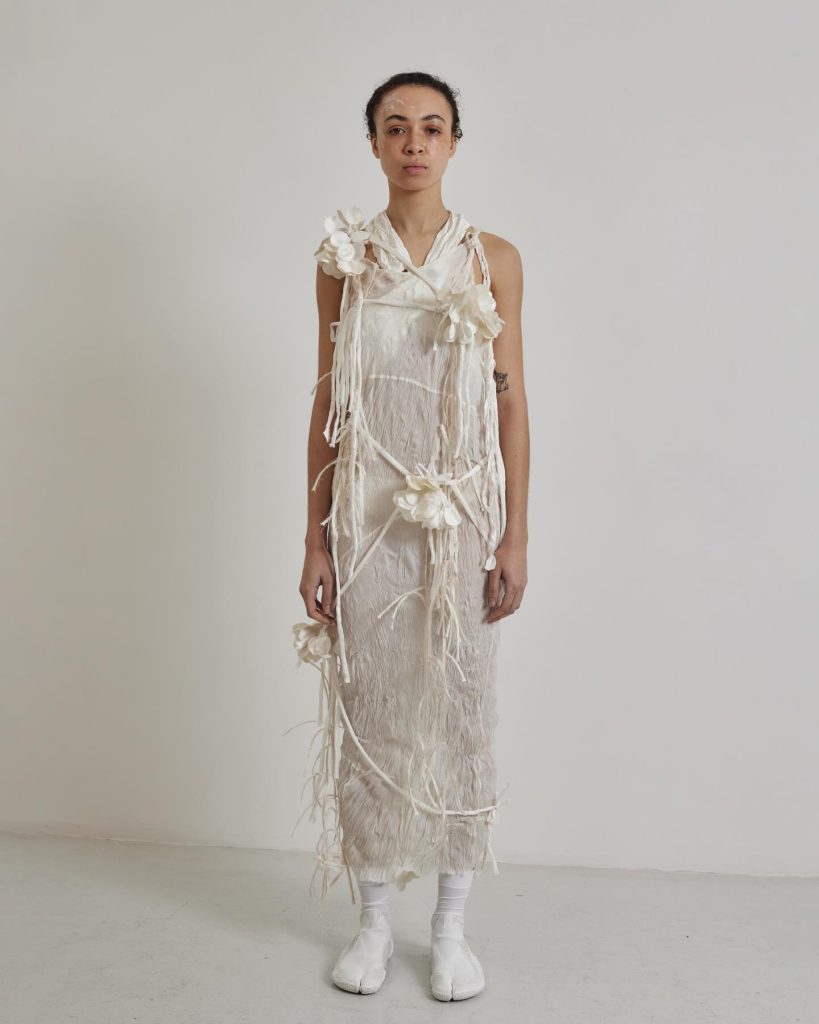
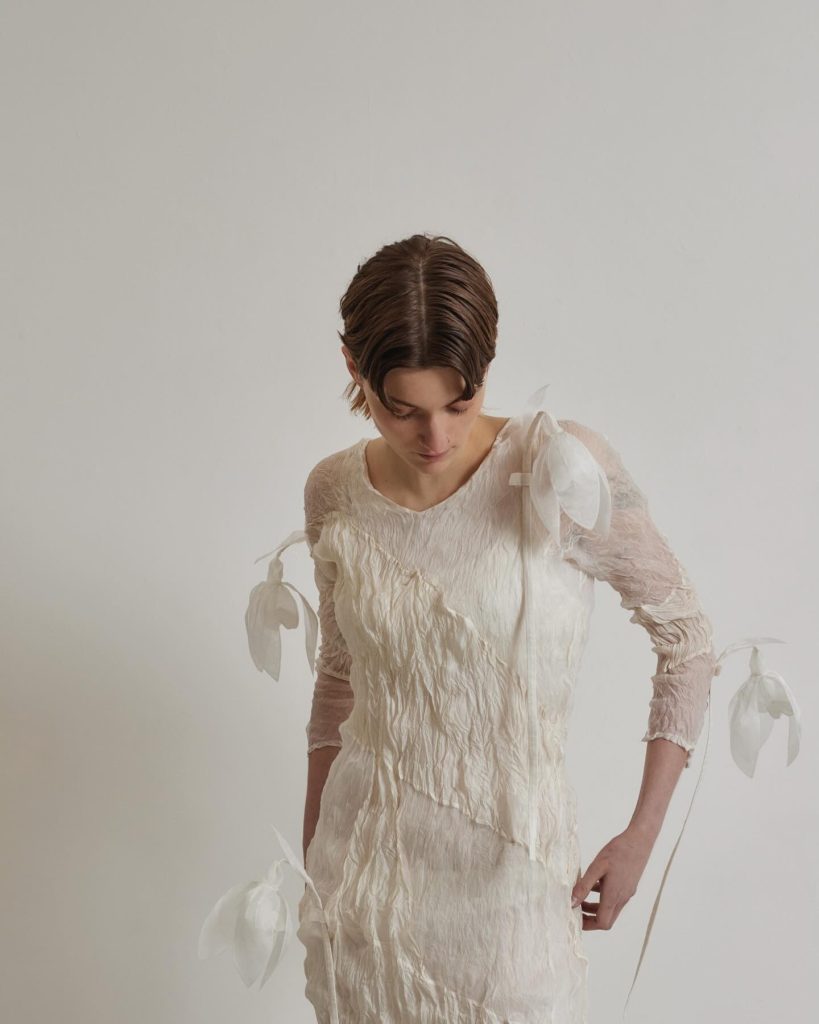
At London Fashion Week, Phoebe English presented a collection deeply rooted in the natural world – both in concept and material. Structured as a wearable botanical calendar, the 12-look collection followed the rhythm of the year, with each garment representing a different month and the plant associated with it.
From snowdrop and dandelion to ivy berry and catkin, the pieces translated seasonal blooms into sculptural forms. Asymmetry, gathering and trailing ribbons echoed stems, tendrils and leaves, creating silhouettes shaped by nature’s architecture.
Material choice played a central role. Many garments were constructed using leftover silk, cotton and linen fabrics sourced from bridal manufacturers – offcuts that would otherwise go unused. The resulting all-white palette subtly referenced the materials’ origins while evoking a sense of ritual and quiet ceremony.
Paris Fashion Week: March 2-10, 2026
Paloma Wool: Playful comfort and effortless cool
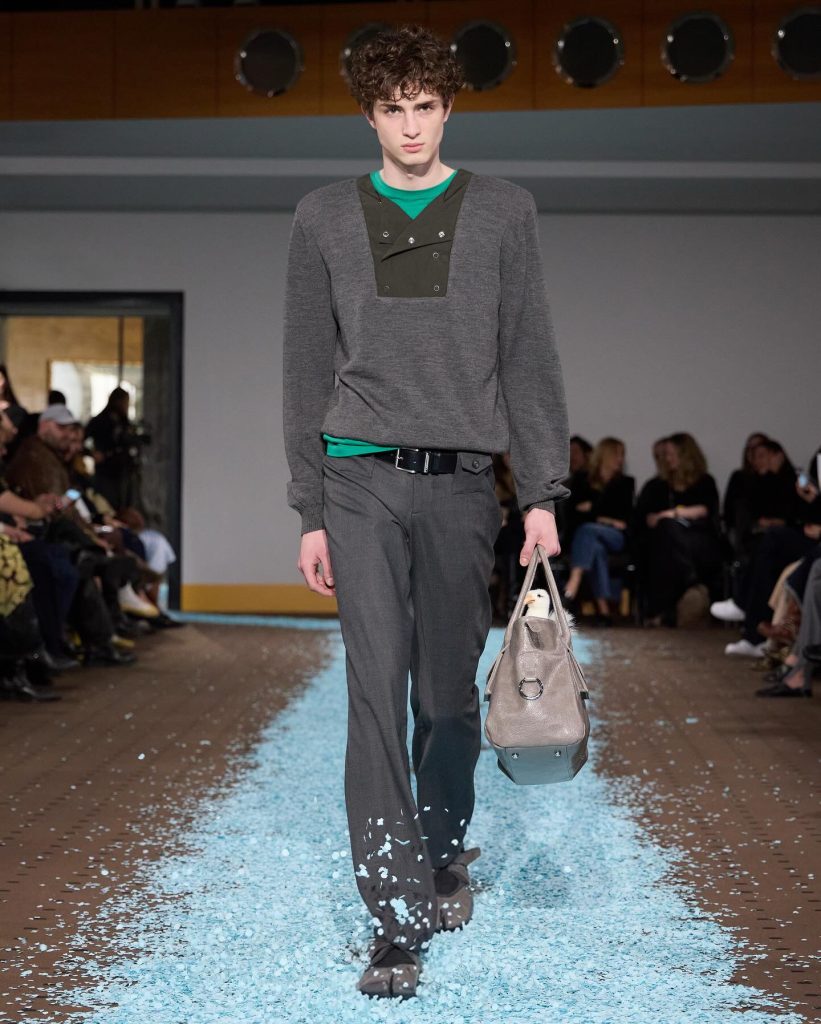
In Paris, Paloma Wool delivered a collection that captured a softer kind of confidence – playful, instinctive and quietly expressive.
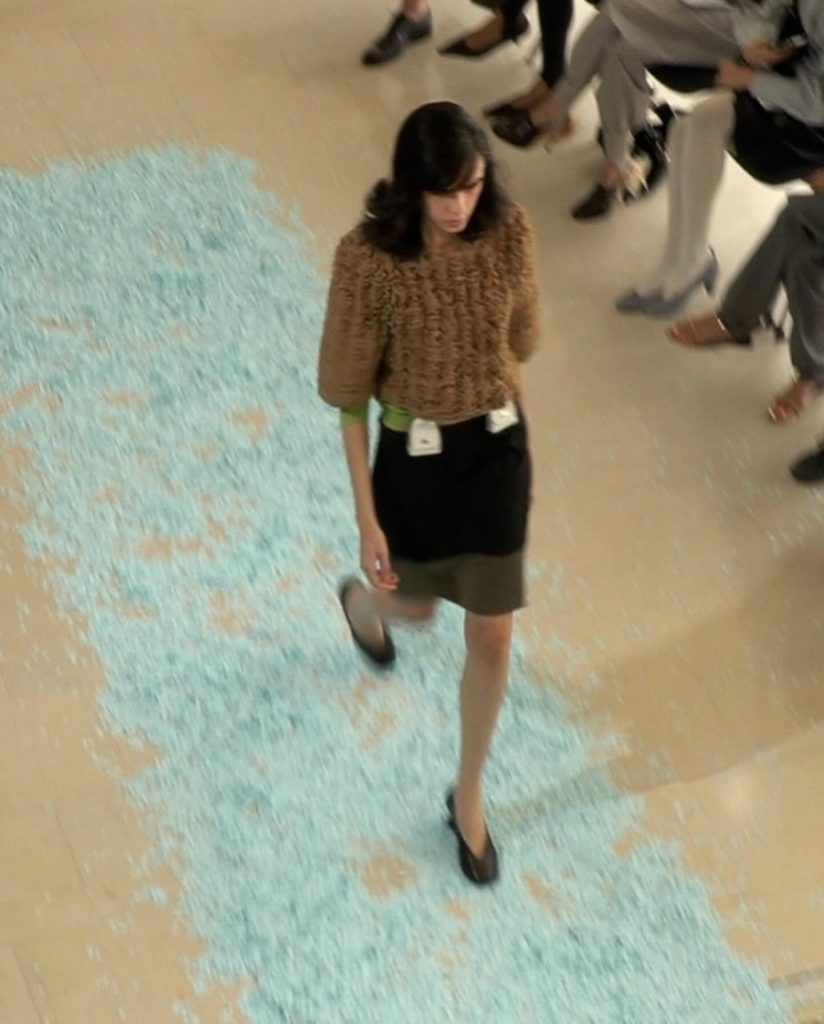
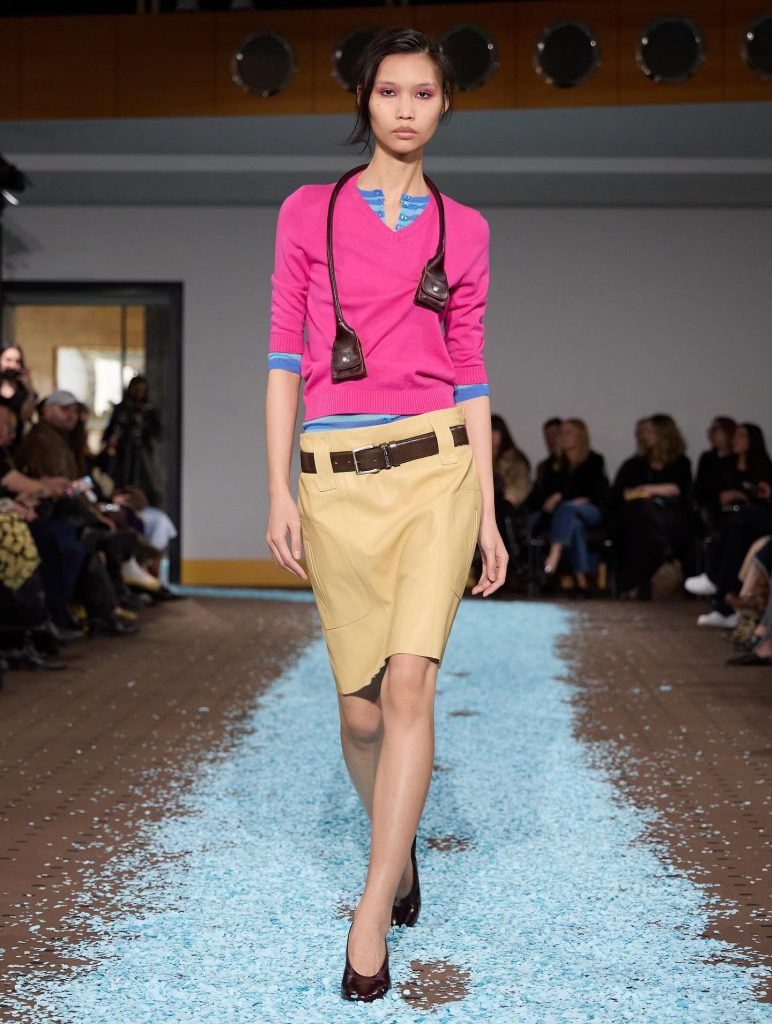
Colour set the tone early, moving from the runway’s bright blue into earthy greens, browns and deep navy tones punctuated by flashes of hot pink and electric blue.
Silhouettes balanced casual ease with composed structure. Buttoned wool sweaters and gently cropped jackets softened more sculptural pieces such as corseted tops and pencil skirts, while asymmetry and repurposed leather bag handles used as garment straps added a distinctive edge.
A growing shift towards material awareness
Taken together, these collections highlight a broader shift emerging within fashion. Designers are increasingly exploring natural fibres, craft techniques and slower production methods as a response to an industry that’s long been dominated by synthetics and rapid consumption.
From knitwear inspired by nature’s structures to garments shaped around botanical forms and textiles designed to eliminate waste, these approaches demonstrate that sustainability in fashion is not a single aesthetic but a range of ideas grounded in material awareness.
As designers continue to experiment with natural fibres and responsible sourcing, fashion weeks remain an important platform for showing how creativity and sustainability can evolve side by side.
