Image credit: Katie Cotmarsh
The global textile sector generates around $1.5 trillion in revenue each year (United Nations Environment Programme), but this scale comes at a cost – contributing to emissions, water pollution and microplastic contamination.
However, a different system is beginning to take shape around the world.
Soil to Soil Textile Production
Soil-to-soil textile production is a regenerative, circular system where clothing is grown from the land (soil), produced using natural, non-toxic materials and designed to safely biodegrade or compost back into the soil at the end of its life. Simply put, when garments are made from natural fibres and dyed with plant-based pigments grown through agroecological farming systems, they can safely return to the earth at the end of their life. As they decompose, they release carbon and nutrients back into the soil – nourishing the landscapes that produced them.
Across the world, there is a growing movement that’s taking on the challenge of reconnecting clothing with the people, ecosystems and landscapes that produce it. At the heart of this shift is Fibershed, an international non-profit organisation that’s working to rebuild the regional fibre systems that support regenerative agriculture, local manufacturing and, ultimately, soil-to-soil textile production.
Closer to home for the Only Natural team, South West England Fibreshed offers a powerful local example of how this vision can take shape on the ground.
Founded and coordinated by Emma Jane Hague, South West England Fibreshed became an official affiliate of the global Fibershed network in 2015. For some members of the Only Natural team, it’s also a particularly meaningful initiative – rooted in the landscapes and creative communities of the region they call home.
A global vision for regional fibre systems
The wider Fibershed organisation is built on a simple but transformative idea: that textiles should once again be connected to the land.
Fibershed works to develop regional fibre economies that expand opportunities for climate-beneficial agriculture, rebuild local textile manufacturing and educate the public about the environmental and cultural value of soil-to-soil fibre systems.
In practice, this means supporting farmers and land stewards who produce natural fibres and dyes, helping to re-establish regional processing and manufacturing infrastructure, and connecting designers, makers and consumers directly with the landscapes where their materials originate.
Alongside practical work on the ground, the organisation also provides guidance to policymakers, advocating for textile systems that regenerate ecosystems rather than deplete them.
Today, Fibershed has grown into an international network of regional initiatives – including projects such as South West England Fibreshed and South East England Fibreshed – each working to reconnect fibre production with the landscapes and communities that sustain them.
The Fibreshed system
A fibreshed refers to a defined geographical region where the natural resources required for textiles – fibres, dyes and labour – are grown, processed and crafted responsibly within a local area.
By working within regional ecosystems, fibresheds aim to minimise waste, strengthen micro-economies and restore relationships between agriculture, craft and design.
The model moves beyond conventional sustainability frameworks. Instead of simply reducing harm, it focuses on regenerative systems that improve soil health, biodiversity and rural livelihoods over time.
At its core is the idea of soil-to-soil textile production.
A local example: South West England
Working across the South West’s agricultural and craft communities, the initiative connects farmers, fibre growers, dyers, spinners, designers and makers who share an interest in building a more regenerative textile system. By strengthening these relationships, South West England Fibreshed helps rebuild the regional knowledge and infrastructure needed to grow, process and create textiles locally.
By strengthening these local networks, the Fibreshed supports the revival of regional fibre production, encourages the use of natural dyes and supports clothing and textiles rooted in the landscapes of the region.
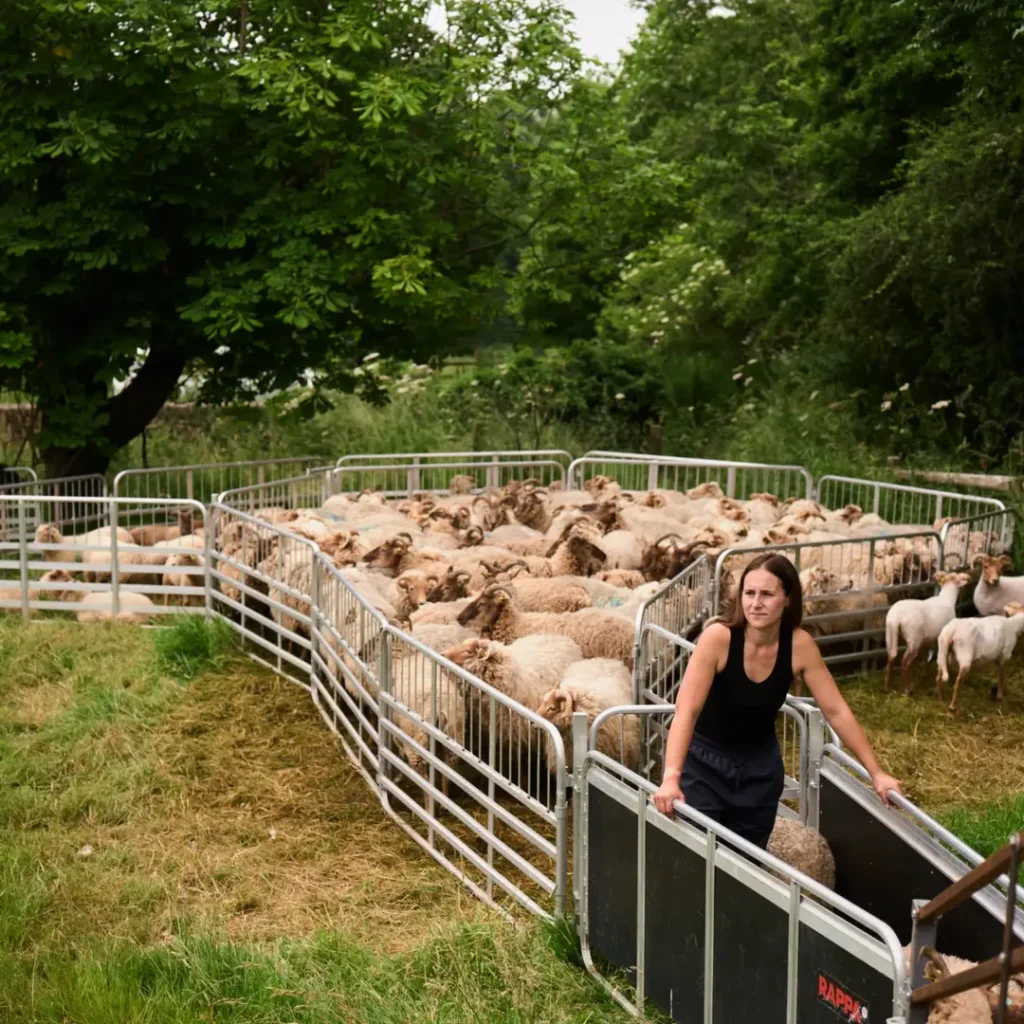
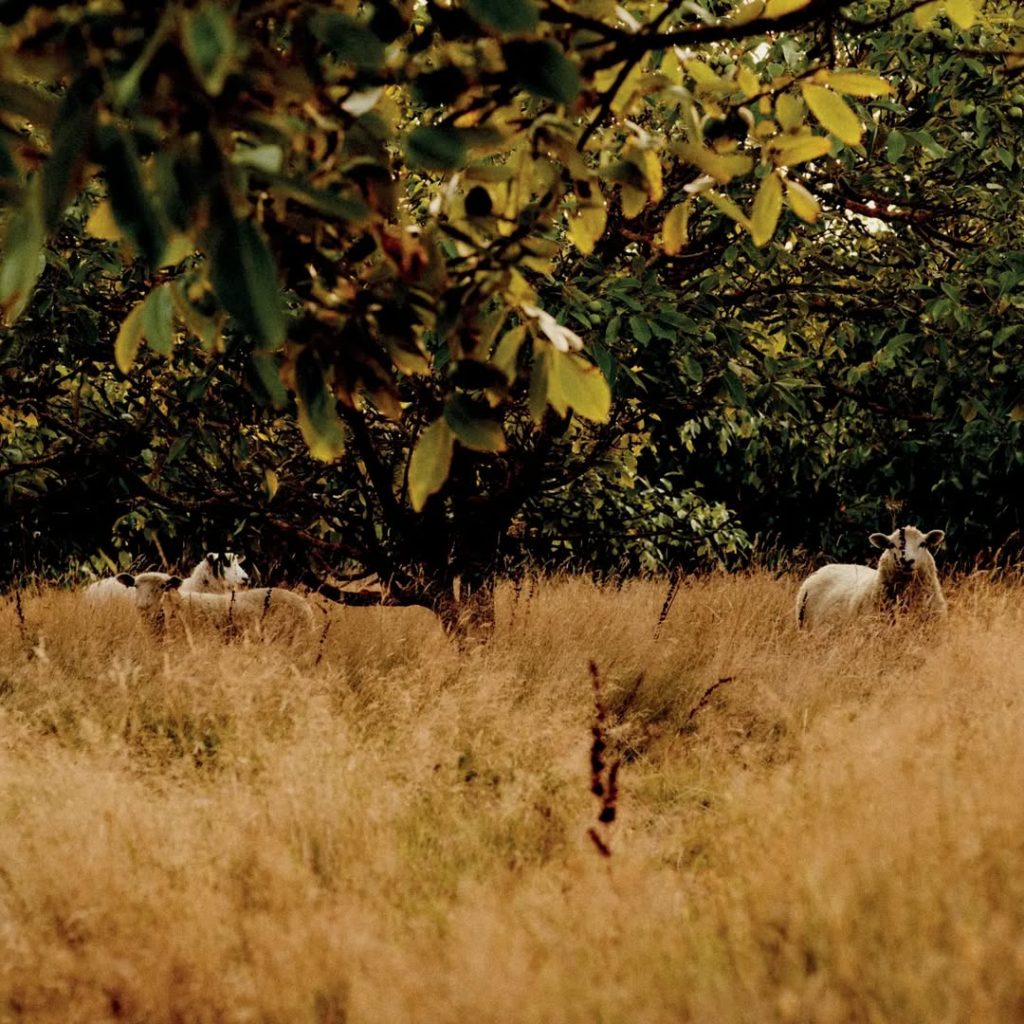
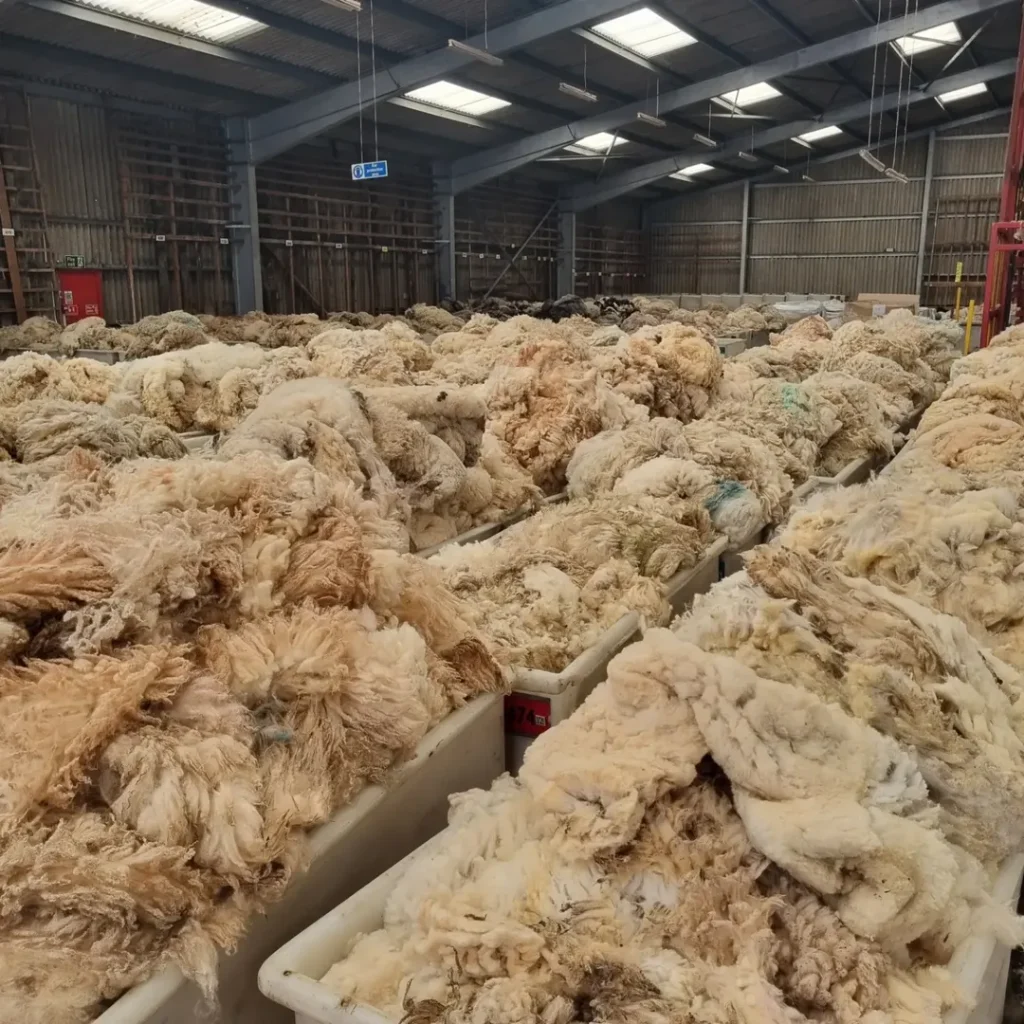
While South West England Fibreshed is one of the UK’s most established regional initiatives, it is not the only one. South East England Fibreshed is also working to develop a regional textile system, highlighting some of the structural challenges involved in rebuilding local fibre economies.
In the South East, organisers point to a significant “missing middle” in the textile supply chain – the processing tools, facilities and skills required to transform raw fibres into usable materials. Alongside practical considerations such as storage and transport for farmers producing fibre crops, there are deeper systemic issues: today’s rapid design cycles and consumption expectations sit far out of step with the rhythms and capacities of land-based fibre production.
These are grassroots examples of how textile systems can operate at a human and ecological level – reconnecting local materials, place and people.
A system worth rebuilding
Fibershed’s response is to imagine a different future: one where fibre production restores soils, revitalises rural economies and reconnects wearers with the land where their clothing originates.
South West England Fibreshed shows that this future is not abstract or distant. It is already being built through local collaboration, shared knowledge and a renewed respect for natural materials.
For the Only Natural team, it is a reminder that meaningful change often begins close to home – with communities working together to create textile systems that truly return from soil to soil.
